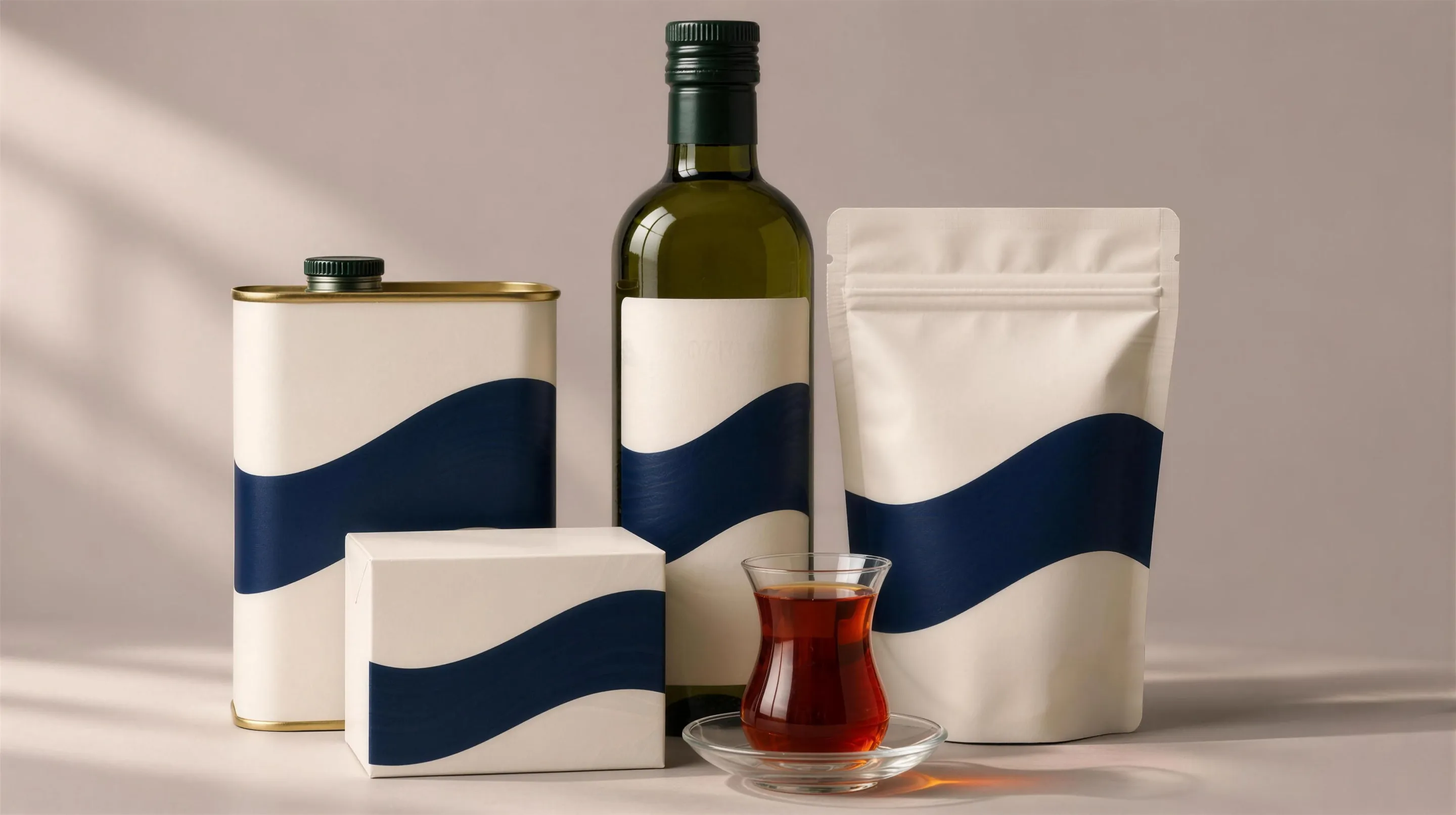
If you are looking for a Turkish olive oil supplier for a supermarket range or a wholesale business, the decisions that matter most are made before the first order: which grade, which pack, what the label must say in your market and which documents travel with the goods. This guide covers olive oil grades, batch consistency and packaging, then the other food lines buyers often source from Türkiye alongside it, under their own label or the maker’s.
Private label or the maker’s brand: two ways to buy
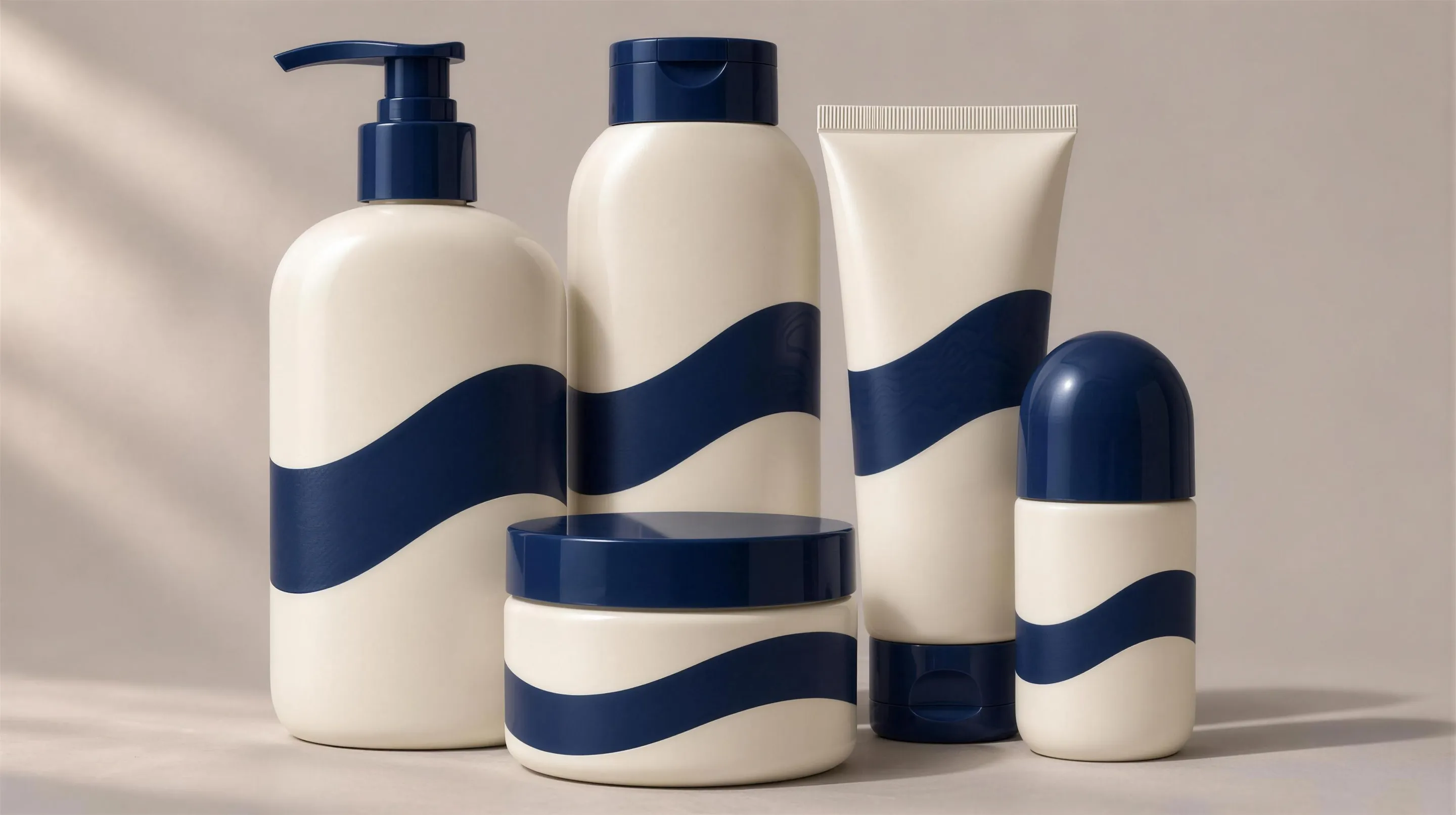
- The maker’s brand. Product, label and pack already exist, so this is usually the quickest route. You check that the label meets your market’s rules and whether it needs a translated sticker or a dedicated print run.
- Private label. The product carries your brand. You agree the specification, pack and artwork, and approve a sample before production. More work up front, but the shelf identity is yours and the specification is written in your terms.
A third option is bulk olive oil: some buyers import oil in large containers and bottle it at home. Packaging then becomes your job, but the grade, analysis and shipping questions below still apply.
Olive oil grades explained: extra virgin, virgin and blends
Grade names are not marketing language. They are defined categories with chemical and sensory criteria, set out in the International Olive Council trade standard, EU marketing rules and national rules such as the Turkish Food Codex. Wording and limits can differ slightly between frameworks, so confirm the category names that apply in your destination market.
| Grade | How it is produced | Typical use and what to check |
|---|---|---|
| Extra virgin olive oil | Mechanical extraction only, no refining or solvents | Premium retail. Strictest chemical limits, and a sensory panel with no defects and perceptible fruitiness |
| Virgin olive oil | Mechanical extraction only | Retail and cooking. Slightly wider limits, minor sensory defects allowed |
| Olive oil (refined and virgin blend) | Refined olive oil blended with virgin oil | Everyday cooking, milder taste, often larger packs |
| Olive pomace oil | Oil recovered from pomace, refined, blended with virgin oil | Frying and food service. Must be labelled as pomace oil, not olive oil |
What the certificate of analysis should show
For each lot, ask for a certificate of analysis covering at least free acidity, peroxide value and UV absorbance. For extra virgin and virgin grades, the sensory panel result matters as much as the chemistry. Purity parameters such as fatty acid composition help confirm the oil is what the label says.
Harvest, blending and batch consistency
Olive oil is an agricultural product. Variety, region, ripeness and the time between picking and pressing all change taste and analysis. The Aegean and Marmara regions are known for varieties such as Ayvalık, Memecik and Gemlik, each with its own character.
Supermarket shoppers still expect the same taste at every reorder, and producers manage this by blending lots. Before you commit, agree:
- a reference sample kept by both sides, against which future batches are compared
- acceptable tolerances on the key analysis values
- how the crop year is recorded and how the switch to a new harvest is handled
- whether the specification applies at bottling, at loading or at the end of shelf life
The last point matters because extra virgin oil slowly loses quality, especially when stored warm or exposed to light.
Packaging options: glass, tin and PET, and why light matters
Light, oxygen and heat degrade olive oil. The pack is your first line of protection.
- Dark glass (green or amber). The classic premium choice: good barrier and shelf presence, but heavy and breakable. Clear glass exposes oil to light unless sleeved or boxed.
- Tin. Blocks light completely and travels well. Common for larger sizes, food service and ethnic retail. Confirm the internal lacquer is suitable for food contact.
- PET. Light, unbreakable and cheaper to ship, but a lower oxygen barrier usually means a shorter shelf life. Often used for blends, pomace oil and economy sizes; tinted or UV-blocking versions help.
- Bag-in-box and bulk. Bag-in-box suits food service. Bulk oil usually moves in flexitanks, IBCs or drums.
Also agree the closure, whether the headspace is flushed with nitrogen, the outer carton and the pallet pattern your warehouse requires.
Other food lines often sourced from Türkiye
Many buyers combine olive oil with other dry food lines, which can make a mixed container worthwhile. Each category has its own checkpoints.
- Pasta: raw material (durum wheat semolina or other), shapes, cooking performance.
- Pulses: lentils, chickpeas, beans; calibre, foreign matter, crop year.
- Dried fruit and nuts: apricots, figs, raisins, hazelnuts, pistachios; moisture, contaminant limits that vary by market, sulphite declaration where used.
- Tomato and pepper paste: concentration, salt, tin, jar or industrial packs.
- Confectionery: Turkish delight, halva, biscuits, wafers; allergens such as nuts, milk and gluten, and heat sensitivity in transit.
- Tea and coffee: black tea and ground Turkish coffee; aroma and moisture protection, valve bags for coffee, grind size.
See the full range on our olive oil, tea and coffee and food supply pages.
What to agree with your food supplier up front
Most problems in food sourcing come from things nobody wrote down. Before the first order, settle:
- Specification: grade, analysis values, ingredients, origin statement, net quantity.
- Shelf life: total shelf life, how the best before date is set, minimum remaining shelf life on arrival.
- Labelling in the destination language, including barcode, lot code and storage instructions.
- Artwork approval: who designs and who signs off the final print proof.
- Samples: pre-production approval sample and reference sample.
- Inspection before loading, Incoterms (for example FOB, CIF or DAP) and payment terms.
Allergen and nutrition labelling by market
In the EU, Regulation (EU) No 1169/2011 sets the mandatory food information, including allergen emphasis in the ingredients list and a nutrition declaration, and olive oil has extra category labelling rules. The UK applies its own rules. Markets in the Middle East and Africa often require Arabic labelling, and some products need halal certification. Requirements differ by country, so confirm them with your importer or the local authority before approving artwork. If you are building a new label, our brand development page explains how packaging design and print approval fit in.
Food safety documents and certificates to ask for
Ask the manufacturer which food safety certifications the facility holds, whether they are current, and whether their scope covers the exact product you are buying. Systems based on HACCP or ISO 22000, or schemes recognised by retailers, are typical. The usual paperwork also includes:
- a certificate of analysis for each lot
- traceability through lot codes from raw material to finished pack
- food contact declarations for bottles, tins, caps and films
- export documents: commercial invoice, packing list, certificate of origin, and an A.TR or EUR.1 movement certificate depending on product and destination
- a health or phytosanitary certificate where the destination requires one, and halal certification if your market asks for it
Sampling and lab analysis
Do not rely only on the sample you tasted at the start. Approve a pre-production sample, keep a sealed reference, then sample the actual production lot before loading. Send samples to an independent accredited laboratory, and for extra virgin oil include a sensory panel test. Keep counter samples from each shipment so any later complaint can be checked against the same oil.
Shipping olive oil and food from Türkiye
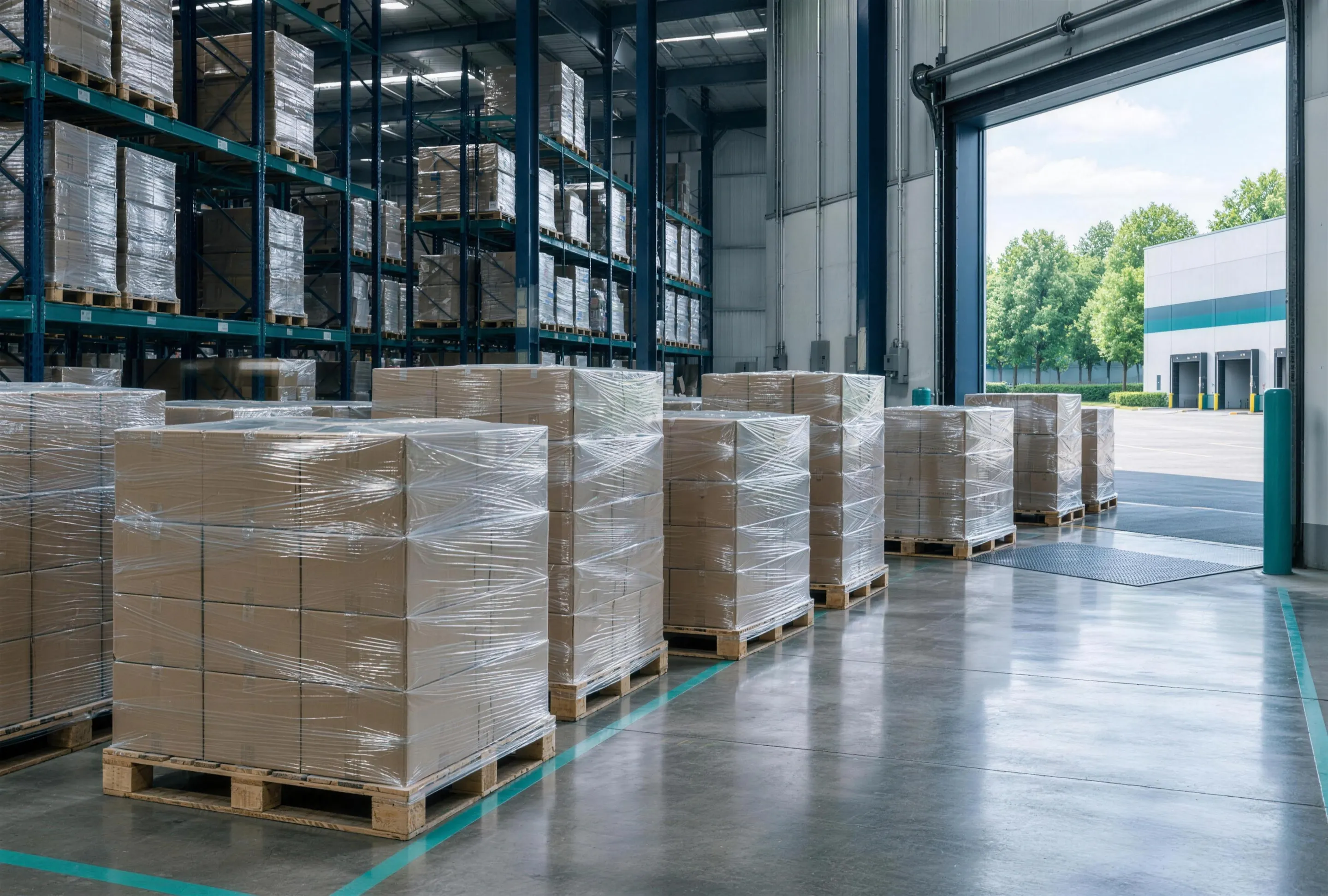
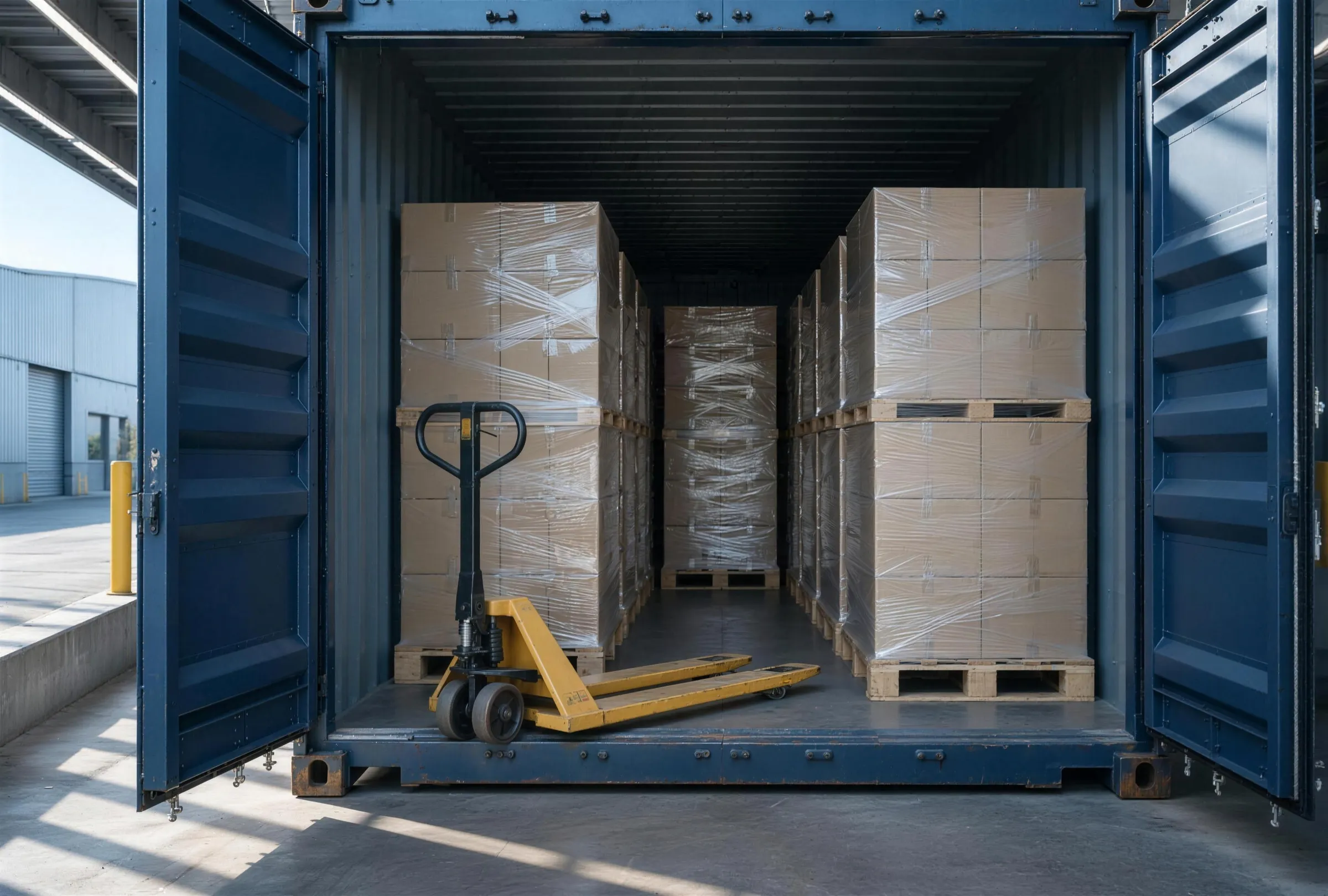
Packed olive oil and dry food usually travel in standard containers. Glass needs dividers, corner boards and careful stretch wrapping. Keep olive oil away from heat; cold can make it cloudy or partly solid, which is natural and reverses at room temperature, but may worry a receiving warehouse. Chocolate-based confectionery may need temperature-controlled transport in hot months. Prepare export documents before the vessel date, because missing paperwork at the port costs more than any freight saving.
Frequently asked questions
Can I buy Turkish olive oil in bulk and bottle it myself?
Yes. Bulk olive oil is commonly shipped in flexitanks, IBCs or drums. Bottling, labelling and shelf life testing are then on your side, so fix the analysis values at loading in the contract and test again on arrival.
What is the difference between extra virgin olive oil and pomace oil?
Extra virgin oil is extracted mechanically and meets the strictest chemical and sensory criteria. Pomace oil is recovered from the leftover pulp, refined and blended with virgin oil. It suits frying but must be labelled as olive pomace oil.
Which packaging keeps olive oil fresh the longest?
Packs that block light and oxygen, such as tin and dark glass, generally protect olive oil best. PET is lighter and cheaper to ship but usually gives a shorter shelf life. Storage temperature matters as much as the pack.
What documents are needed to import olive oil from Türkiye?
Typically a commercial invoice, packing list, certificate of analysis, certificate of origin and, depending on the destination, a movement certificate, health certificate or halal certificate. Requirements vary by country, so confirm the list with your customs broker.
Send us your olive oil or food project
Mefsa Foreign Trade works from İzmir and sources olive oil, tea, coffee and food lines from manufacturers in its network across Türkiye, under your label or the maker’s. One team handles the brief, offers and samples, follows production on site, checks quality before loading and manages export documents and freight. Tell us what you need, or read more about Mefsa.