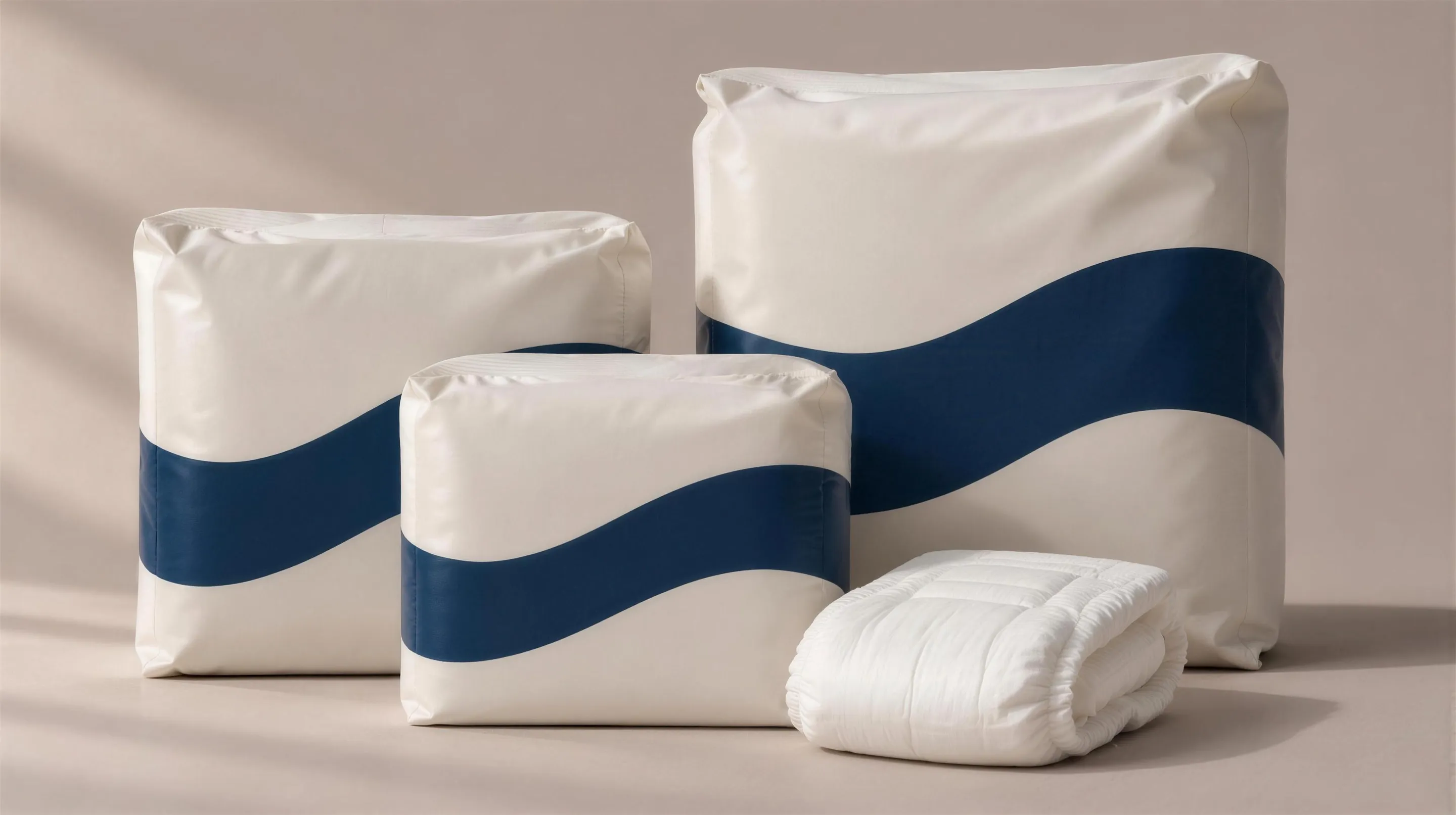
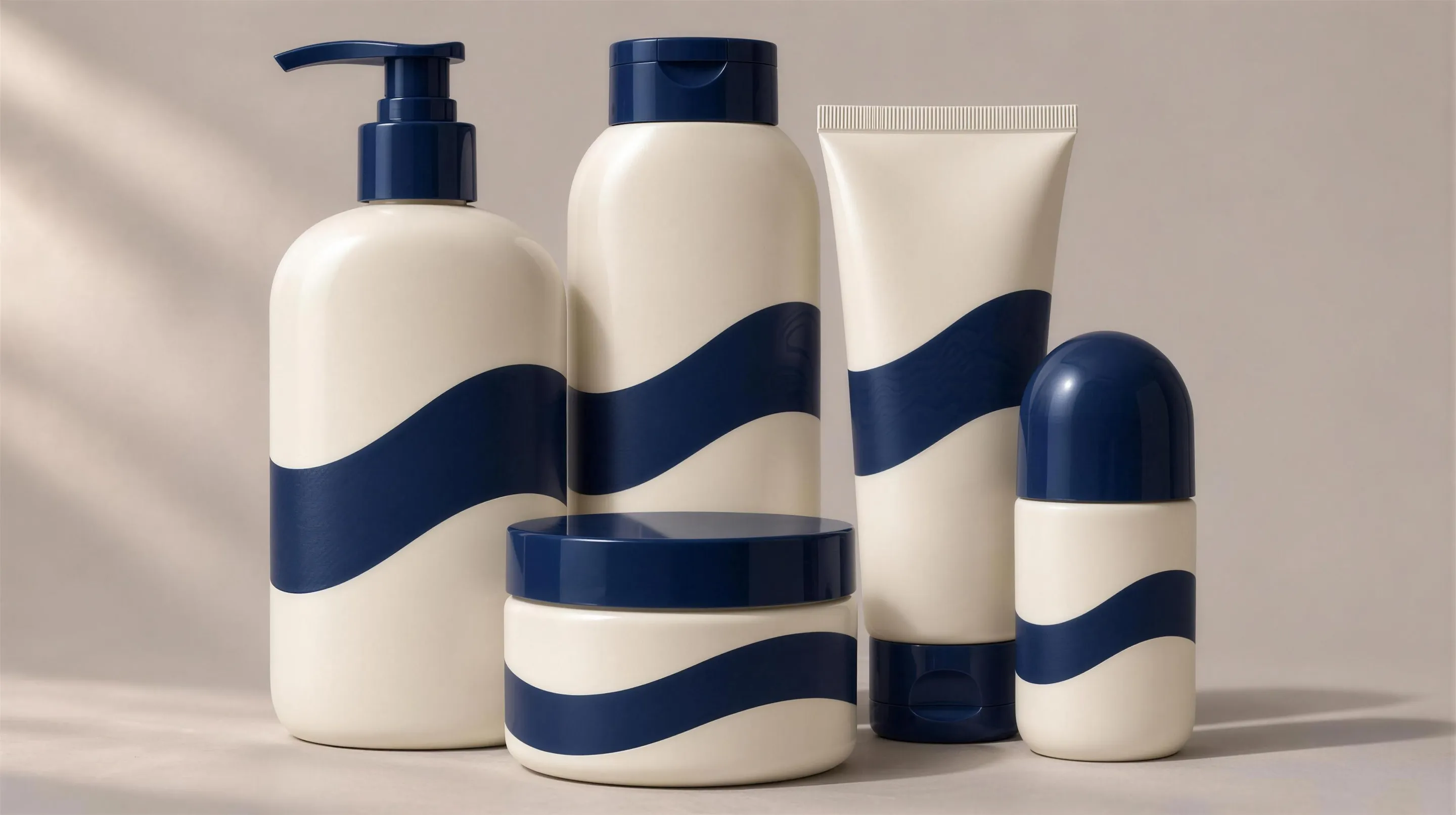
Cosmetics contract manufacturing in Türkiye lets a brand launch or extend a personal care range without owning a factory: a manufacturer produces the formula, fills it into your packaging and ships it under your label. Whether you start from a proven stock formula or develop a custom one, the work that decides success is the same: the right product brief, solid testing, accurate labelling and a clear view of the rules in the market where you will sell.
What private label cosmetics manufacturers in Türkiye typically produce
Most personal care contract manufacturers specialise in a few product families, so it helps to know which category your product belongs to before you start looking. Common categories include:
- Hair care: shampoo, conditioner, hair masks and leave-in treatments.
- Body care: shower gel, body wash, body lotion and body butter.
- Hand care: liquid hand soap, hand cream and hand wash refills.
- Deodorants: roll-ons, sprays and sticks, each needing different filling equipment.
- Skin care: face cleansers, moisturisers, serums and creams.
Rinse-off products such as shampoo and shower gel are usually simpler to formulate and fill in volume. Leave-on products such as body lotion, hand cream and skin care demand more attention to texture, preservation and safety assessment, because they stay on the skin. Aerosol deodorants add a further layer, since they involve pressurised containers and specific transport rules.
Stock formula vs custom formula: which is right for your brand?
This is usually the first real decision in a private label cosmetics project.
| Stock formula | Custom formula | |
|---|---|---|
| Starting point | Manufacturer’s existing, already tested base | Developed to your brief |
| Changes possible | Fragrance, colour, sometimes a featured ingredient | Texture, actives, claims, sensorial profile |
| Development time | Shorter, testing data often exists | Longer, new stability and safety work needed |
| Differentiation | Lower, similar bases may be sold to others | Higher, the formula can be built around your positioning |
| Ownership | Usually stays with the manufacturer | Depends on the contract, agree it in writing |
A stock formula is a sensible way to test a market or fill gaps in a range quickly. A custom formula makes sense when your brand promise depends on something specific: a natural origin profile, a particular texture, or a claim the stock base cannot support. Many brands mix both, using stock bases for everyday products and custom work for their hero items.
Adding a new product to an existing cosmetics range
If you already sell under your own brand, a new product has to feel like it belongs. Before any formulation work, collect what the manufacturer needs to match your range:
- Samples or specifications of your current products (fragrance, colour, viscosity, pH where known).
- Your target claims and the ingredients you want to feature or avoid.
- The packaging family you already use, including bottle, closure and label sizes.
- Target retail price and expected order volumes, which shape the ingredient budget.
- The markets you sell in, since that decides which rules the formula and label must meet.
The aim is a product that matches your existing line on shelf, in use and on the label. Fragrance matching deserves particular care: the same fragrance can smell different in a shampoo and a body lotion, so ask for samples in the actual base.
Stability and packaging compatibility testing
Testing is where a promising sample becomes a product you can sell with confidence. Two areas matter most.
Stability testing
Stability testing checks that the product keeps its appearance, smell, texture and performance over its intended shelf life. Samples are typically stored at different temperatures, through heating and cooling cycles and sometimes under light exposure, then checked at intervals for separation, colour change, odour drift, pH and viscosity. For many products, a preservative efficacy test (often called a challenge test) shows whether the formula resists microbial contamination during use.
Packaging compatibility
A formula that is stable in a glass jar may behave differently in your chosen plastic bottle. Compatibility testing stores the product in the final packaging to check for leakage, panelling (bottles collapsing inward), pump failures, label damage, and interaction between the product and the container material. Test with the real closure and the real decoration, because pumps, seals and printed surfaces are frequent sources of problems.
Ask your manufacturer which tests will be run, for how long, and what results you will receive in writing.
Claims, ingredient lists (INCI) and labelling
Every ingredient on a cosmetic label is listed by its INCI name (International Nomenclature of Cosmetic Ingredients), a standardised naming system used across many markets. In the EU, ingredients are listed in descending order of concentration, with rules for low-concentration ingredients, colourants and fragrance allergens that must be named individually above certain levels.
Claims need equal care. Phrases such as “suitable for sensitive skin”, “natural” or “long-lasting moisture” must be supported by evidence, and in the EU they are assessed against common criteria for cosmetic claims. A sensible rule: write the claims you want at the brief stage, then ask what testing or data would support each one. It is far easier to adjust a claim before the label is printed than after.
A typical label also includes the product function, nominal content, batch number, the name and address of the responsible party, precautions for use, and either a date of minimum durability or a period-after-opening symbol, depending on the product and market.
EU and UK regulatory overview for private label cosmetics
In the European Union, cosmetics are governed by Regulation (EC) No 1223/2009. At a general level, it requires:
- A Responsible Person established in the EU, who takes legal responsibility for the product’s compliance. This can be the brand owner, an importer or an appointed service provider.
- A Cosmetic Product Safety Report (CPSR), prepared by a qualified safety assessor, based on the formula, raw material data, stability and microbiological results, and the intended use.
- A Product Information File (PIF) kept available for the authorities.
- Notification of the product through the EU’s cosmetic products notification portal before it is placed on the market.
Great Britain has its own equivalent regime since leaving the EU, with a UK-based Responsible Person and a separate UK notification system. A product notified in the EU is not automatically covered in the UK, and the reverse is also true.
Other markets in the Middle East, Africa and elsewhere have their own registration, labelling and language requirements, which can include local registration, Arabic or French labelling, or certificates issued in Türkiye. Requirements differ by country and change over time, so always confirm them for your destination market with a qualified local advisor before you finalise the formula and artwork.
Packaging choices for personal care products
Packaging affects cost, shelf presence, filling speed and compatibility. The main decisions are:
- Container type: bottles, jars, tubes, airless pumps or sachets. Tubes and airless packs protect sensitive formulas from air; jars suit thick creams.
- Material: different plastics, glass or aluminium, plus recycled content if that matters to your buyers.
- Closure: flip-top caps, disc caps, pumps or trigger sprays, each with different leak and dosing behaviour.
- Decoration: printed labels, shrink sleeves, screen printing or hot foil.
Stock packaging is faster and usually needs lower quantities. Custom moulds or unusual colours give more distinctiveness but add time and minimum order requirements. Whatever you choose, final artwork should be checked for colour accuracy and label legibility before print approval.
Sampling and timeline factors
Most projects move through a similar sequence: brief, lab samples, feedback and adjustments, approval of the final formula, testing in final packaging, artwork approval, pre-production sample, then the production run.
How long this takes depends on factors rather than a fixed figure:
- Stock or custom formula, and how many sample rounds you need.
- Duration of stability and compatibility testing.
- Availability of special raw materials or fragrances.
- Stock or custom packaging, and printing lead times.
- Time needed for the safety report, notification or registration in your market.
- The manufacturer’s production schedule.
Being clear and decisive in feedback rounds is often the simplest way to save time.
Frequently asked questions
Can I use my own formula with a contract manufacturer in Türkiye?
Yes, many manufacturers will produce an existing formula you own, provided they can source the raw materials and their equipment suits the product. They will usually run their own trial batches and checks before full production to confirm the result matches your reference.
Who owns the formula in private label cosmetics?
It depends on the agreement. Stock formulas usually remain the manufacturer’s property, while ownership of a custom formula should be agreed in writing at the start, including what happens if you change manufacturer later.
Does a cosmetic made in Türkiye need an EU Responsible Person?
Yes, if it is sold in the EU. Regulation (EC) No 1223/2009 requires a Responsible Person established in the EU for every cosmetic product placed on the EU market, wherever it was manufactured. The UK has a separate requirement for a UK-based Responsible Person.
How many samples should I expect before approving a formula?
There is no fixed number. A stock formula with a new fragrance may be approved quickly, while a custom skin care product can need several rounds. Clear written feedback after each round shortens the process.
Develop your next personal care product with Mefsa
If you want to add a shampoo, body lotion, hand cream or skin care product to your existing brand, Mefsa can help. Based in İzmir since 2017, we work with you directly as one team: we source the right manufacturer from our network in Türkiye, coordinate samples and testing, follow production on site and manage export documents through to delivery. Our in-house design team can also adapt your packaging artwork. See our personal care and cosmetics range, read about brand development, or send us your product project.