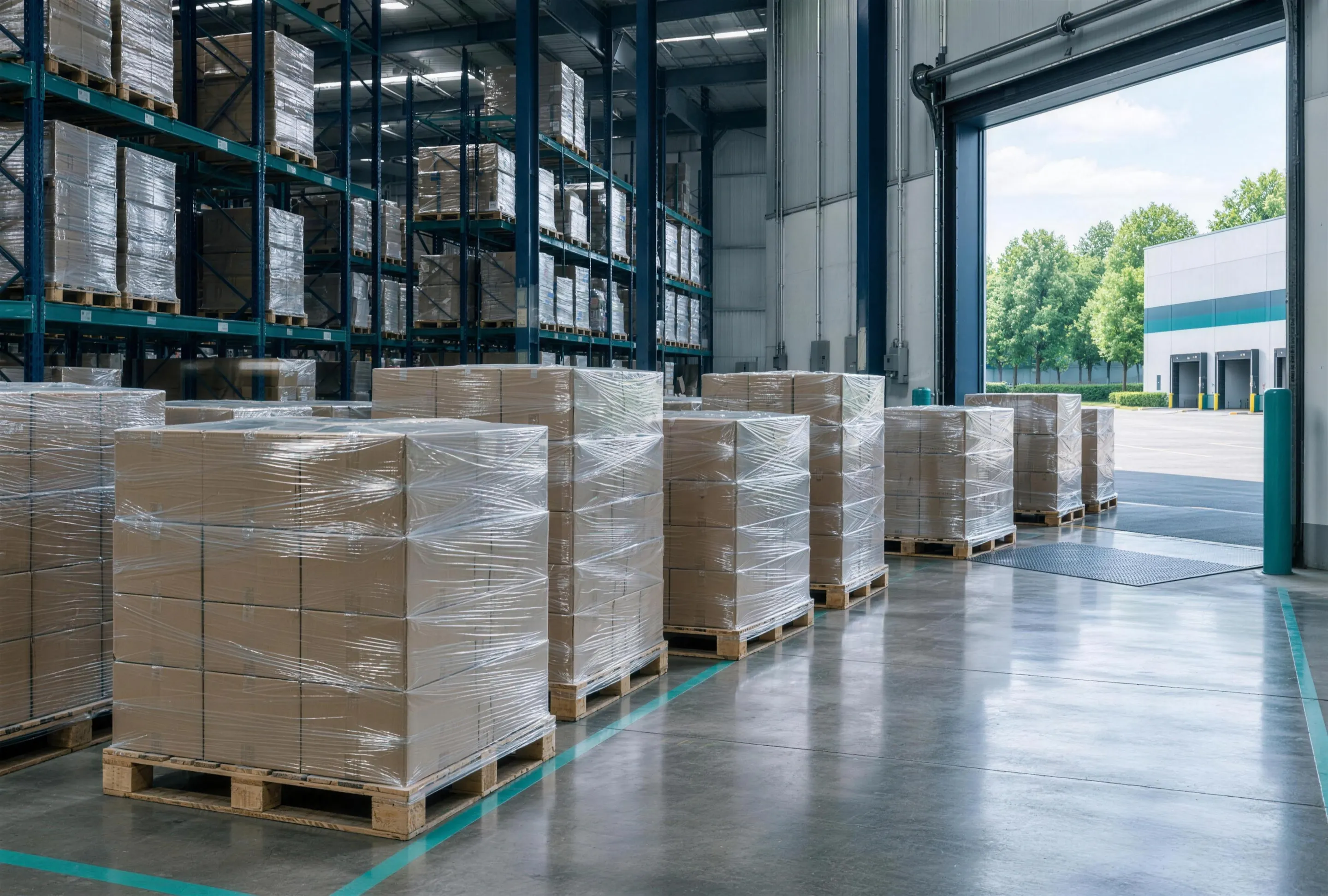
Finding a manufacturer in Türkiye is rarely the hard part: there are factories for almost every consumer product category. The hard part is choosing the one that can make your product to your standard, for your destination market, at the volume and timing you need. This guide walks through the process step by step, with a particular focus on moving an existing product’s production to Türkiye.
Start with a written specification, not a factory search
Before you contact anyone, put your product on paper. A clear spec is what lets you compare quotes fairly and later hold a manufacturer to account. If you are moving an existing product, your current product is the benchmark, so document it as it is today.
A useful specification usually covers:
- Formula or composition: ingredient list, percentages where you own them, raw material grades and any ingredients you want excluded.
- Physical properties: weight or volume, dimensions, colour, scent, texture, viscosity, absorbency or whatever matters for your category.
- Packaging: primary pack, secondary carton, pallet pattern, materials, print finish and artwork files.
- Labelling and market rules: languages, mandatory statements and the regulations of the country where the product will be sold.
- Volumes: a realistic first order and expected annual volume, plus any seasonal peaks.
- Tolerances: what variation is acceptable, for example fill weight or colour deviation.
Keep physical reference samples of your current product. They are the most precise spec you have.
How to find a manufacturer in Türkiye: building a shortlist
Cast a wide net first, then narrow it quickly. Common routes include industry trade fairs held in Türkiye, sector associations and chambers of commerce, exporter directories, referrals from packaging or raw material suppliers, and sourcing partners who already work with factories in your category.
Aim for a shortlist of a few manufacturers per product, not dozens. Send each the same request for quotation built from your spec, so that answers are comparable. How a factory responds to a well-prepared request (the questions it asks, how fast and how precisely it answers) is your first real data point.
What to check before you choose a manufacturer
Capability and equipment for your specific product
A factory that makes a similar product is not automatically right for yours. Ask which lines would run your product, what formats and pack sizes they handle, and whether any step (filling, printing, a specific raw material process) is subcontracted. If you are moving an existing product, ask whether they currently make something technically close to it.
Export experience for your destination market
Supplying the domestic market and exporting to the UK, the EU, the Middle East or Africa are different jobs. Ask which countries they already ship to, whether they are familiar with the labelling and documentation those markets expect, and how they handle export packaging. In EU and UK trade, for example, origin documents such as a certificate of origin, or EUR.1 and A.TR movement certificates depending on the product, may affect duties. Requirements differ by country and product, so always confirm them for your destination.
Certifications: request them and verify them
Ask for the quality, food safety, hygiene or environmental certificates relevant to your category and your buyers. Then verify: check the certificate’s scope (does it cover the product type and the site that will make yours?), its validity dates and the issuing body. A certificate for a different site or product group does not help you.
Capacity, lead times and seasonality
Ask how much free capacity they have in the months you need it. Many factories have busy seasons, and a manufacturer that looks perfect in spring may have no slot in its peak period. Ask how they plan raw materials and what happens to your order if a larger customer needs the line.
Communication and responsiveness
You will exchange many messages about artwork, samples and shipping dates. Check who your contact will be, which languages they work in, and whether you get clear written answers. Slow or vague communication during quoting rarely improves after the order.
Factory visits and audits
A visit tells you things documents cannot: cleanliness, organisation, how raw materials and finished goods are stored, whether quality checks really happen on the line, and how staff talk about problems. If you cannot travel, a third-party audit or a partner on the ground can do this for you. Use a checklist so visits to different factories are comparable, and ask to see the actual line that will run your product.
Samples: matching your existing product
When moving production, the goal is usually that your customers notice no difference. Give the manufacturer your reference samples and spec, and evaluate their samples side by side with the original under the same conditions. Test what matters in use, not only appearance: performance, stability over time, packaging fit and how the product survives transport.
Expect more than one sample round. Record every change made between rounds, and when a sample is approved, keep sealed approved samples on both sides. That “golden sample” becomes the reference for every future production run.
Put the agreement in writing
A handshake and a price list are not enough. A written agreement should cover at least:
- the approved specification and golden sample as the quality reference;
- tolerances and how out-of-spec goods are handled;
- packaging, labelling, palletisation and shipping marks;
- price, validity, payment terms and the Incoterms 2020 rule (for example FOB, CIF or DAP);
- lead times and what happens if they slip;
- intellectual property: who owns the formula, the artwork, moulds and printing plates, and confidentiality around them.
If the formula and artwork are yours, the agreement should say so clearly, along with what happens to them if you change manufacturer later.
Production follow-up and pre-shipment inspection
Do not wait for the container to arrive to find out how production went. Agree checkpoints: raw material and packaging approval before the run, a check at the start of production, and a pre-shipment inspection before loading. A pre-shipment inspection typically checks quantities, a sample of finished goods against the golden sample, packaging and labels, carton marks and how pallets are loaded. Problems found in Türkiye can usually be fixed; problems found at your warehouse are far more costly.
Checklist for choosing a manufacturer in Türkiye
| Area | What to check | How to verify |
|---|---|---|
| Specification | Formula, materials, packaging, tolerances documented | Written spec plus reference samples |
| Capability | Right lines and formats for your product | Line visit, similar products made |
| Export experience | Ships to your destination market | Export references, document knowledge |
| Certifications | Relevant to your category and buyers | Scope, site, validity and issuer checked |
| Capacity | Free capacity in your required months | Production plan, seasonal peaks discussed |
| Communication | Clear, timely written answers | Behaviour during quoting and sampling |
| Samples | Matches your existing product | Side-by-side tests, golden sample sealed |
| Agreement | Spec, tolerances, payment, Incoterms, IP | Signed written contract |
| Quality control | Checkpoints during and after production | Pre-shipment inspection before loading |
Red flags to watch for
- Prices far below every other quote, with no clear explanation.
- Reluctance to show the production line or to allow inspections.
- Certificates that cannot be verified or do not match the site.
- Samples that are excellent but produced somewhere other than the factory quoting.
- Vague answers on capacity, lead times or subcontracting.
- Pressure for large advance payments before samples are approved.
- Unwillingness to put specs, tolerances or IP terms in writing.
When one partner managing the manufacturer saves time
Running this process yourself is entirely possible, but it takes time, travel and someone who can follow production on site. Working with a single partner that sources the manufacturer, manages samples and production, inspects before loading and handles export documents means you deal with one point of contact instead of several. Mefsa Foreign Trade works this way from İzmir: it has customers’ existing products manufactured in Türkiye to the same standard, across categories such as personal care and cosmetics and cleaning and household products. If you are starting a new range rather than moving one, see brand development.
Frequently asked questions
How do I find a reliable manufacturer in Türkiye?
Start with a written spec, then build a shortlist through trade fairs, sector associations, supplier referrals or a sourcing partner. Compare quotes against the same spec, verify certifications and visit or audit the factory before committing. Reliability shows in how a factory handles samples and questions, not only in its brochure.
Can a Turkish manufacturer copy my existing product exactly?
Often very closely, provided you give them a detailed spec and reference samples and allow for several sample rounds. Side-by-side testing against your current product, and a sealed golden sample once approved, are what keep later production consistent.
Who owns the formula if a contract manufacturer produces it?
That depends on what you agree. If you bring your own formula and artwork, state your ownership and confidentiality terms in the written agreement, including moulds and printing plates. Do not assume ownership is implied.
Do I need a pre-shipment inspection?
It is strongly advisable, especially for first orders. Checking quantity, quality, packaging and loading in Türkiye lets you correct problems before goods leave the factory.
Send us your project
If you want to move an existing product’s production to Türkiye, tell us what you make today, where you sell it and the volumes you expect. Mefsa’s team will come back with the next steps. Share your project here, or read more about us.