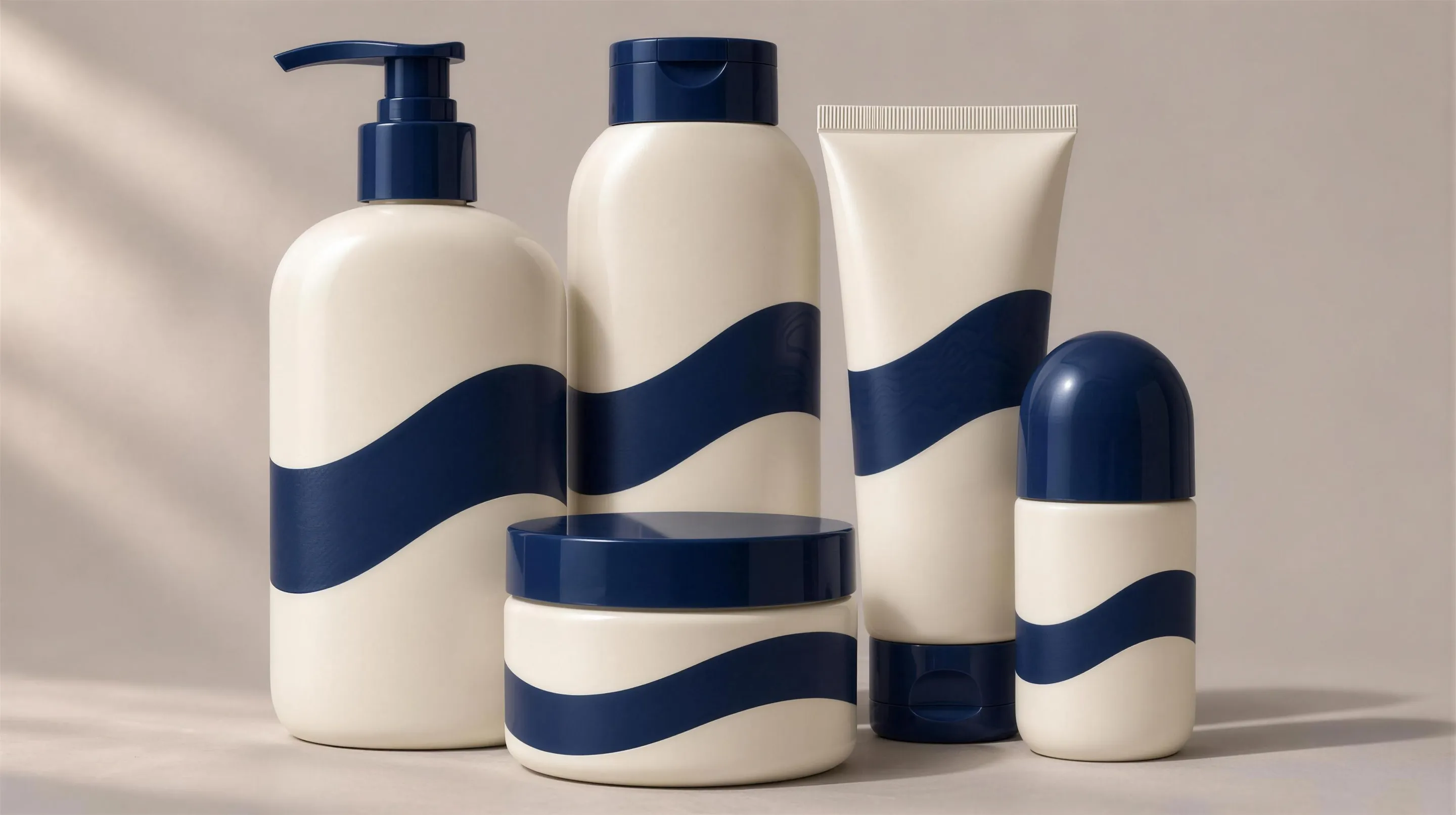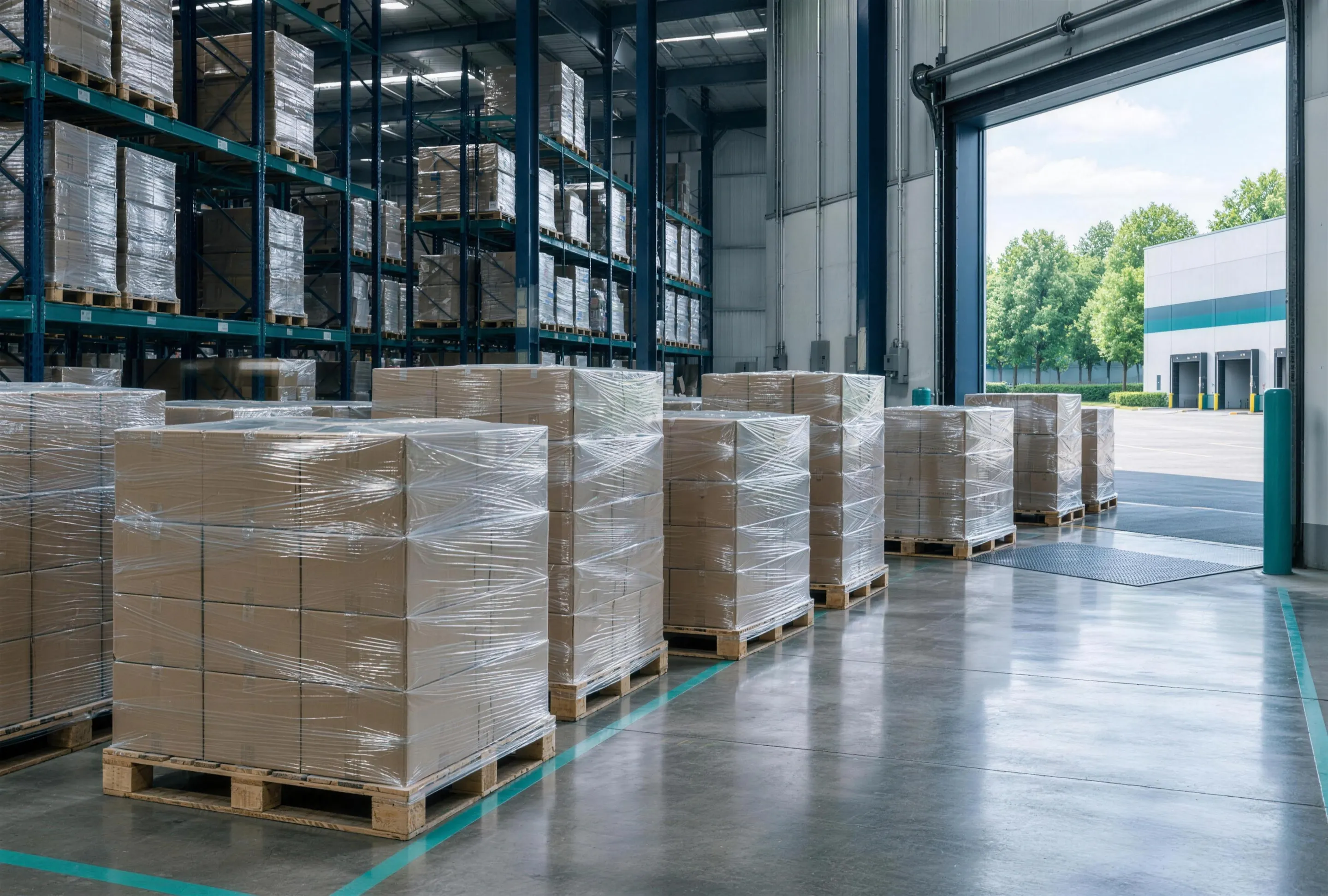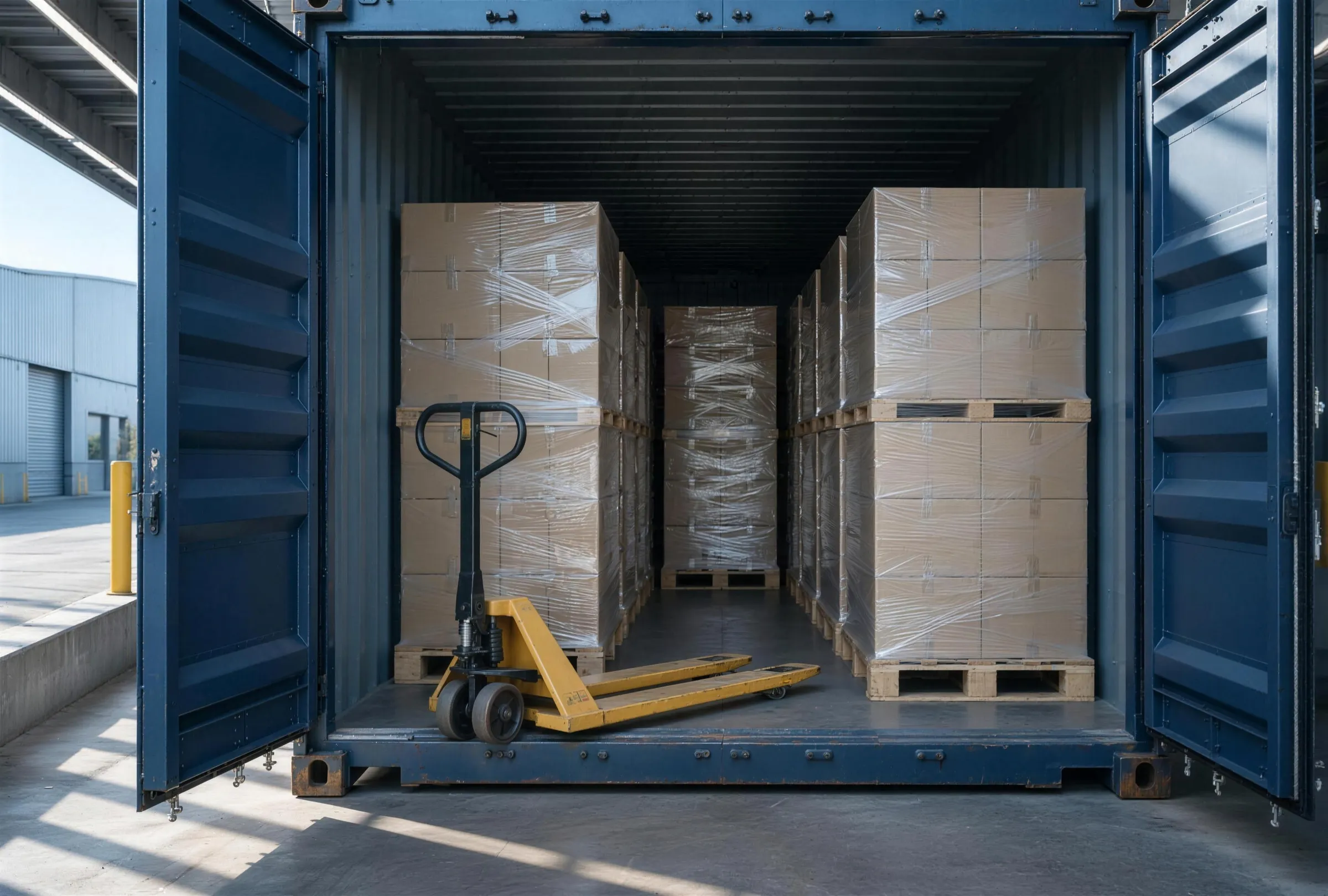

Private label manufacturing in Türkiye means a factory in Türkiye produces a product to your specification, and it goes to market under your own brand. Brands choose Türkiye for its wide manufacturing base and its position between Europe, the Middle East and Africa. This guide walks through the whole route from idea to shelf, what drives cost, the mistakes that slow projects down, and how to decide between managing it yourself and working with one partner.
What private label manufacturing actually means
The terms get used loosely, so it helps to separate them:
- Private label (white label): the manufacturer already makes a proven product, and you adapt it with your own branding, packaging and sometimes small formula changes. It is usually the fastest route to market.
- Custom manufacturing: the product is developed to your brief, with a new formula, specification or material. It takes longer, but the result is genuinely yours.
- Contract manufacturing of an existing product: you already sell a product and want it made in Türkiye to the same standard, often to diversify supply or get closer to your markets.
Most projects sit between the first two: a standard base with a custom fragrance and pack, for example.
Why brands manufacture private label products in Türkiye
A broad manufacturing base
Türkiye has established industries across many consumer categories: food and beverages, olive oil, tea and coffee, cleaning and household products, hygiene products such as baby nappies (diapers) and wet wipes, personal care and cosmetics, home textiles, pet food and packaging. Because raw materials, packaging suppliers and printers are often available in the same country, a brand can keep several categories within one supply chain.
Proximity to Europe, the Middle East and Africa
Being close to these markets shortens transit times compared with more distant sourcing regions and makes smaller, more frequent shipments realistic.
Trade framework with the EU
Türkiye and the EU have a customs union that covers industrial goods and processed agricultural products. Most basic agricultural products are not covered by it and fall under separate preferential arrangements instead. In practice, eligible goods often travel with an A.TR movement certificate, while some agricultural products use EUR.1 or a certificate of origin. Which document applies, and what duty treatment follows, depends on the product and the destination, so it must always be confirmed for your specific case.
The steps from idea to shelf
1. Write the brief
A good brief saves weeks. Cover the target market and channel (supermarket, wholesale, online), the target retail price, expected volumes, the products you want to benchmark against, and any must-haves such as certifications your buyer requires.
2. Define category and positioning
Decide where the product sits: value, mid-market or premium. Positioning drives everything afterwards, from ingredient quality to pack format.
3. Select the manufacturer
Match the factory to the product, not the other way round. Look at what they already produce well, the certifications they hold, their experience with your destination market, their minimum order quantities and their capacity at the volumes you expect. Visit if you can.
4. Agree the formula or specification
Write down exactly what you are buying: ingredients or materials, tolerances, weights, shelf life, and test methods. This document is what quality control will check against later, so vague specifications lead to disputes.
5. Design the packaging
Packaging has two jobs: selling on the shelf and complying with the rules of the destination market. Label content must suit local requirements. For example, cosmetics sold in the EU need a Responsible Person and a product safety report under Regulation (EC) No 1223/2009, and detergents and other chemical mixtures may need CLP hazard labelling. Requirements differ by country, so confirm them for each market. Plan print proofs and colour approval early, because reprinting is expensive.
6. Approve samples
Test samples against the specification and in real conditions: transport, storage, use. Approve a signed reference sample. It becomes the standard every production batch is compared with.
7. Production
Agree the production schedule, the raw material sourcing and who approves what on the day. Having someone follow the first run on site catches problems while they are still cheap to fix.
8. Quality control before loading
Inspect finished goods before they leave the factory: appearance, weights, packaging, labelling, batch codes and carton marks. Once a container is at sea, fixing a mistake costs far more.
9. Shipping and delivery
Choose the Incoterms 2020 term that fits how much responsibility you want, for example FOB, CIF or DAP. Prepare the export documents, the commercial invoice, packing list and any movement or origin certificate, then track the shipment to delivery.
What determines the cost of private label manufacturing
There is no single price list, because cost depends on many decisions you make along the way. The main factors are:
- Formula and materials: ingredient grade, active content and material quality usually make the biggest difference.
- Order volume: larger runs spread set-up costs over more units. Small first orders typically cost more per unit.
- Packaging: custom moulds, special finishes and the number of print colours add cost, while standard formats keep it down.
- Development work: a new formula, stability testing or new artwork takes time and money that a white label product does not.
- Compliance: testing, safety assessments and label work for each destination market.
- Logistics: pallet efficiency, shipping mode, Incoterm and destination.
- Currency and raw material prices: both can move between quotation and production, so agree how long a quote stays valid.
Common mistakes to avoid
- Starting with the factory, not the brief. Without a clear brief, you get quotes you cannot compare.
- Choosing on unit price alone. A cheaper quote with a weaker specification or poor quality control often costs more in returns and lost listings.
- Skipping the reference sample. Without a signed standard, there is nothing objective to check production against.
- Leaving label compliance to the end. Changing a label after printing means new plates, new packaging and delays.
- Underestimating lead times. Packaging, printing and raw materials each have their own lead times, which add up.
- No inspection before loading. Problems found at destination are the hardest and most expensive to solve.
Doing it yourself or working with a single partner
Both routes work. The right one depends on your team, your time and how many categories you plan to cover.
| Managing it yourself | Working with a single partner | |
|---|---|---|
| Manufacturer search | You find, vet and visit factories | The partner sources from its network |
| Points of contact | One per factory, printer and forwarder | One team throughout |
| Packaging design and print approval | You coordinate designers and printers | Handled within the project |
| Production follow-up and QC | You travel or hire inspectors | Followed on site, checked before loading |
| Export documents and freight | You manage forwarders and paperwork | Managed for you |
| Best suited to | Teams with sourcing staff and local experience | Brands that want speed and less coordination |
If you have experienced sourcing staff and only one product, managing it yourself can work well. If you are launching a range, entering a new category or have no team on the ground in Türkiye, a single partner usually reduces the coordination and the risk of things falling between suppliers. You can read more about how a brand is built step by step on our brand development page.
Frequently asked questions
Is private label manufacturing in Türkiye suitable for small brands?
Yes, but minimum order quantities vary widely between factories and categories. Some manufacturers accept smaller first runs, especially when standard packaging is used. Share your expected volumes early so you are only matched with factories that fit.
How long does it take to launch a private label product?
It typically depends on whether you use an existing formula or develop a new one, how much packaging is custom, and how many sample rounds are needed. White label projects with standard packs move fastest. Custom formulas and new moulds add the most time.
Do products made in Türkiye pay customs duty in the EU?
Under the EU–Türkiye customs union, industrial goods and processed agricultural products in free circulation can often move without customs duty when accompanied by the right documents, such as the A.TR certificate. Basic agricultural products follow different rules. Always confirm the duty treatment and documents for your exact product and destination.
Which products are most often made as private label in Türkiye?
Common categories include food, beverages, olive oil, tea and coffee, cleaning products, wet wipes and hygiene products, personal care and cosmetics, baby nappies, home textiles, pet food and packaging.
Start your private label project
Mefsa Foreign Trade, based in İzmir, builds brands from scratch and has products manufactured in Türkiye, with one team following each project from the brief to delivery. If you have a product or a brand idea, send us your project and tell us your market, category and volumes. You can also learn more about Mefsa.