Launching private label baby diapers, or a full range of nappies and adult incontinence products made in Türkiye, comes down to three decisions: which product types you start with, how precisely you specify them against a benchmark, and how you pack and ship a product that is mostly air. This guide walks through each step in the order a buyer usually meets them, so you can brief a manufacturer clearly and avoid the costly surprises that appear at sampling or at the port.
Choose your product types: tape, pants, adult briefs and underpads
Most private label hygiene ranges are built from a small set of formats. Starting with the right two or three is better than launching everything at once.
- Baby tape diapers (open nappies): the classic format with side tapes or hook fasteners. Usually the backbone of a baby range and the format shoppers compare most on price.
- Baby pants (pull-up nappies): worn like underwear, popular for active toddlers and toilet training. Typically positioned a step above tape diapers.
- Adult briefs (all-in-one, tape style): for heavier incontinence and people who are cared for in bed or with assistance.
- Adult pull-ups (pants): for mobile users who want something that feels like normal underwear.
- Underpads (bed pads): flat absorbent sheets for beds, chairs and changing. Simple to specify and a useful add-on for retailers, care homes and wholesalers.
A common route is to start with tape diapers in the core sizes plus one adult format, then add pants and underpads once the first line is selling.
What to specify in a private label nappy brief
The quality of your brief decides the quality of your quotes. If two factories receive “standard baby diapers, size 4”, you will get two very different products at two prices that cannot be compared. Specify these points instead.
Size range and weight bands
List every size you need (for example newborn through junior for baby, and small through extra large for adult) with the weight or waist range printed on the pack. Ask the manufacturer to confirm their size chart against your benchmark, because the same size number can fit differently between producers.
Absorbent core
The core is where most of the cost and performance sit. It is usually a mix of fluff pulp and superabsorbent polymer (SAP). Specify the core type, whether it is channelled or quilted to spread liquid, and the absorption and rewet performance you expect. If you do not know the figures, give the manufacturer a benchmark product and ask them to match or beat it.
Topsheet, backsheet and feel
- Topsheet: the layer against the skin. Ask about softness, any lotion or aloe treatment, and how quickly it lets liquid through.
- Backsheet: a cloth-like breathable backsheet feels premium; a plastic film backsheet costs less but feels and sounds different.
- Elastics and waistband: stretch ears, elastic waist and leg cuffs affect fit and comfort more than most buyers expect.
Leak guards and wetness indicator
Standing leg cuffs (leak guards) stop side leaks and are expected in most markets. A wetness indicator line that changes colour is common on baby tape diapers and adult briefs, and shoppers often look for it.
Pack counts and pack formats
Decide how many pieces per pack for each size, and whether you want small, standard or jumbo packs. Pack count drives shelf price, carton size and how many packs fit in a container, so settle it early.
Positioning your range by price band
Your specification should follow your price position, not the other way round. A simple way to think about it:
| Element | Economy | Mid-range | Premium |
|---|---|---|---|
| Absorbent core | Higher fluff share, basic SAP | Balanced fluff and SAP, channels | Thinner core, higher SAP, advanced distribution |
| Backsheet | Film | Cloth-like or film | Soft cloth-like, breathable |
| Topsheet | Standard nonwoven | Soft nonwoven | Extra soft, often with lotion |
| Extras | Basic leak guards | Leak guards, wetness indicator | Wetness indicator, stretch ears, printed designs |
| Pack | Value multi-pack | Standard pack | Smaller pack, premium print |
The mistake to avoid is a premium-looking pack around an economy core. Shoppers judge nappies after one night, and repeat purchase is what builds a hygiene brand.
Packaging and compressed packing for a bulky product
Diapers and incontinence products are light but bulky, so packaging is not only about design.
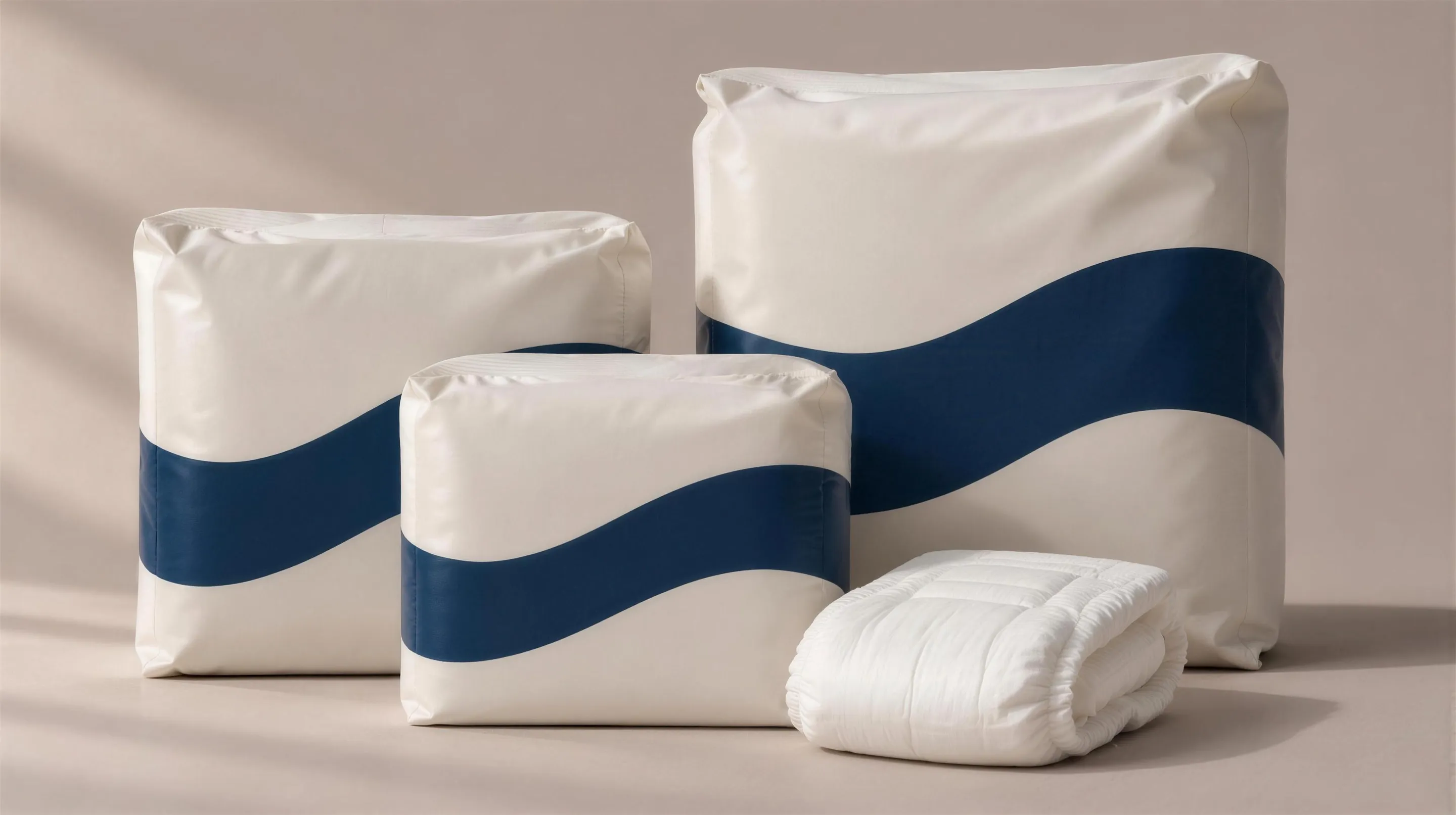
- Poly bags or printed bags: most nappies are sold in printed plastic bags. Think about print quality, handle design and whether the bag stands neatly on the shelf.
- Compression: manufacturers compress packs during bagging. Higher compression means more packs per carton and per container, but too much can make products look flat or affect how they fluff back. Agree the compression level and check it on samples.
- Outer cartons or bale packing: packs are shipped in cartons or in bale bags. Cartons protect better and stack well in retail warehouses; bales can be cheaper and lighter.
- Artwork: a consistent design across sizes, with a clear size number and weight band, makes the range easy to shop. Ask for colour proofs before printing.
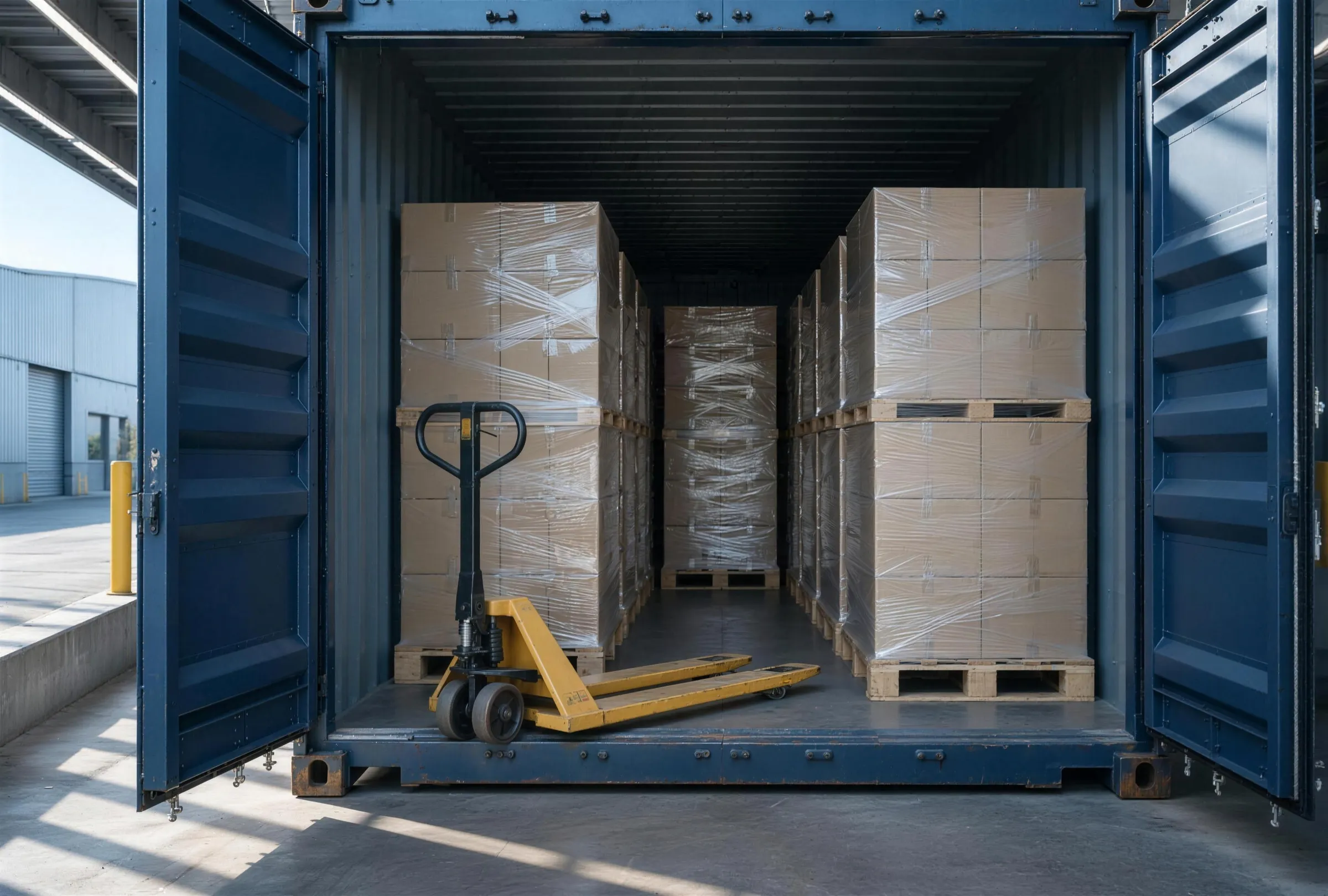
Container fill planning for diapers and incontinence products
Because the product fills space long before it reaches weight limits, freight cost per pack depends heavily on how well you plan the load.
- Ask the manufacturer for the carton dimensions and the number of cartons that fit in a 20 ft, 40 ft and 40 ft high cube container for each size and pack count.
- Mix sizes in one container according to your expected sales, not equal quantities. Middle sizes usually sell fastest in baby ranges.
- High cube containers are often the practical choice for bulky hygiene goods, because the extra height adds volume at little extra cost.
- Combining nappies with denser products (such as wet wipes or household items) in one shipment can make better use of space, if your range allows it.
- Agree the Incoterm early (for example FOB, CIF or DAP under Incoterms 2020), so it is clear who books and pays for freight.
Sampling and testing against your benchmark
Never approve a nappy on a photo or a spec sheet. A good sampling stage looks like this:
- Send or name your benchmark: a product already on your market that you want to match or beat.
- Receive pre-production samples: in your chosen sizes, ideally in plain packs first.
- Compare side by side: absorption, rewet (how dry the surface feels after wetting), leakage, softness, fit and how the product looks after unpacking from compression.
- Use testers: a small group of parents or carers will tell you about fit and leaks faster than any lab report.
- Lock the approved sample: keep signed reference samples on both sides so production can be checked against them.
Ask the manufacturer which tests they run in their own lab and what documents they provide for raw materials. Requirements for test reports differ by destination market and buyer type.
Labelling for the destination market
Labelling rules for hygiene products are set by each country, and retailers often add their own requirements. Typical points to confirm:
- Language or languages required on the pack.
- Product name, size, weight or waist range and piece count.
- Name and address of the brand owner or importer.
- Country of origin (“Made in Türkiye”).
- Batch number and production or best-before information where required.
- Barcodes (EAN) registered to your brand.
- Usage and safety notes, and recycling or disposal marks where the market requires them.
For exports to the EU, documents such as a certificate of origin or an A.TR movement certificate may apply to the shipment. Requirements differ by country, so confirm them for your destination market with your importer or advisor before the artwork is finalised.
Frequently asked questions
Can I start a private label diaper brand with only a few sizes?
Yes. Many brands start with the best-selling middle sizes of tape diapers and add newborn, junior and pants later. This keeps the first order focused and makes container planning easier.
How do I compare quotes from different nappy manufacturers?
Only compare quotes based on the same specification: core composition, backsheet type, extras, pack count and packing method. The cleanest way is to send every supplier the same written brief and the same benchmark product.
Is adult incontinence harder to launch than baby diapers?
It is not harder to produce, but the buyers can be different. Adult products sell through supermarkets, wholesalers and care channels, and users care strongly about discretion, fit and odour control, so the packaging and size guidance need extra attention.
How long does it take to launch a private label diaper range?
It typically depends on how ready your brand and artwork are, how many sampling rounds you need and the manufacturer’s production schedule. Having a clear brief and benchmark from day one is the best way to shorten it.
Launch your nappy and incontinence range with Mefsa
Mefsa Foreign Trade, based in İzmir, works on baby nappies and adult incontinence products as one of its core product groups. We source the right manufacturer from our network in Türkiye, manage samples against your benchmark, follow production on site, check quality before loading and handle export documents and freight. Our in-house design team can create the packaging, and if you are starting from zero, our brand development service covers the whole journey.
If you are planning a range, send us your project with your target market, price position and benchmark, and one contact will take it from there.